Learning is so much more fun when it is hands-on! As a homeschool mom, I am always looking for ways to make science and math exciting for my kids. The best part is that most of these activities use simple things you already have at home. No fancy lab required.
Here is a collection of our favorite kids science and math activities. They are easy to set up, fun to do, and full of real learning. Pick one for a rainy afternoon, a homeschool lesson, or just for fun.
In this learning guide:
- Kitchen Science Experiments
- Static Electricity Activities
- Grow Your Own Borax Crystals
- Hands-On Math Activities
Kitchen Science Experiments
Your kitchen is the best science lab in the house. These experiments use everyday supplies and always get a big reaction from kids. We’ve included instructions on how to make a Skittles rainbow, playdough volcanos, water bead race track, and 5 senses taste test. Each kids science activity is simple to set up and teaches a real science concept.
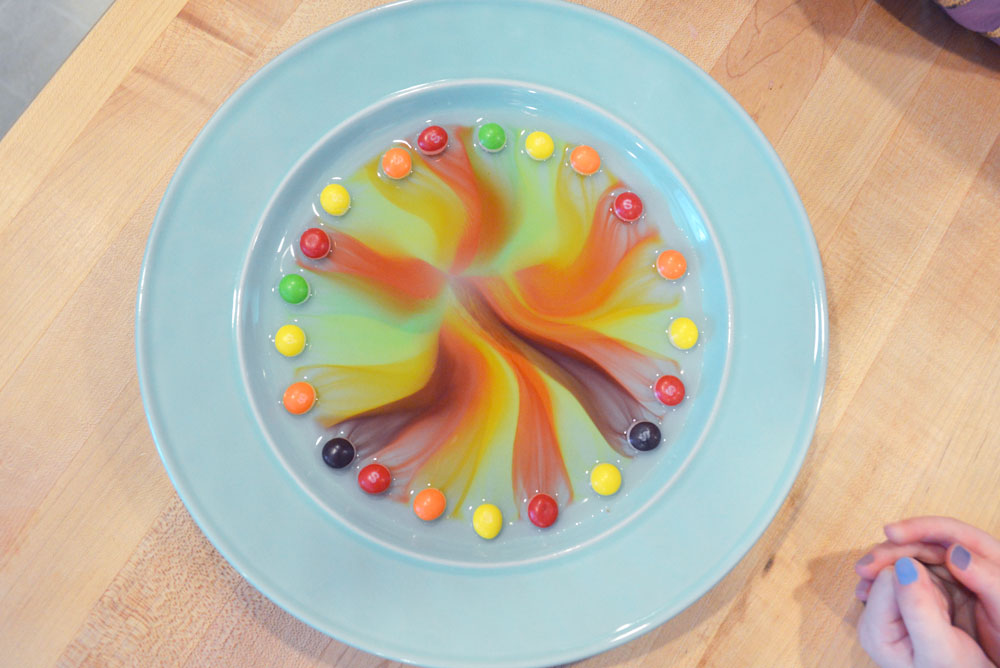
Rainbow Skittles Radial Design
This one is pure magic to watch. Arrange Skittles around the rim of a plate. Then pour about 1/8 inch of water into the center. The colors bleed and flow toward the middle, making a bright rainbow. It happens fast, so watch closely!
The science concept: Skittles are coated in colored sugar and dye. When water touches them, the coating dissolves. The dissolved sugar and color then spread out through the water, called diffusion. The colors flow toward the center and stop where they meet, which is why they form neat lines instead of mixing into a muddy blur.
Playdough Volcano Eruption
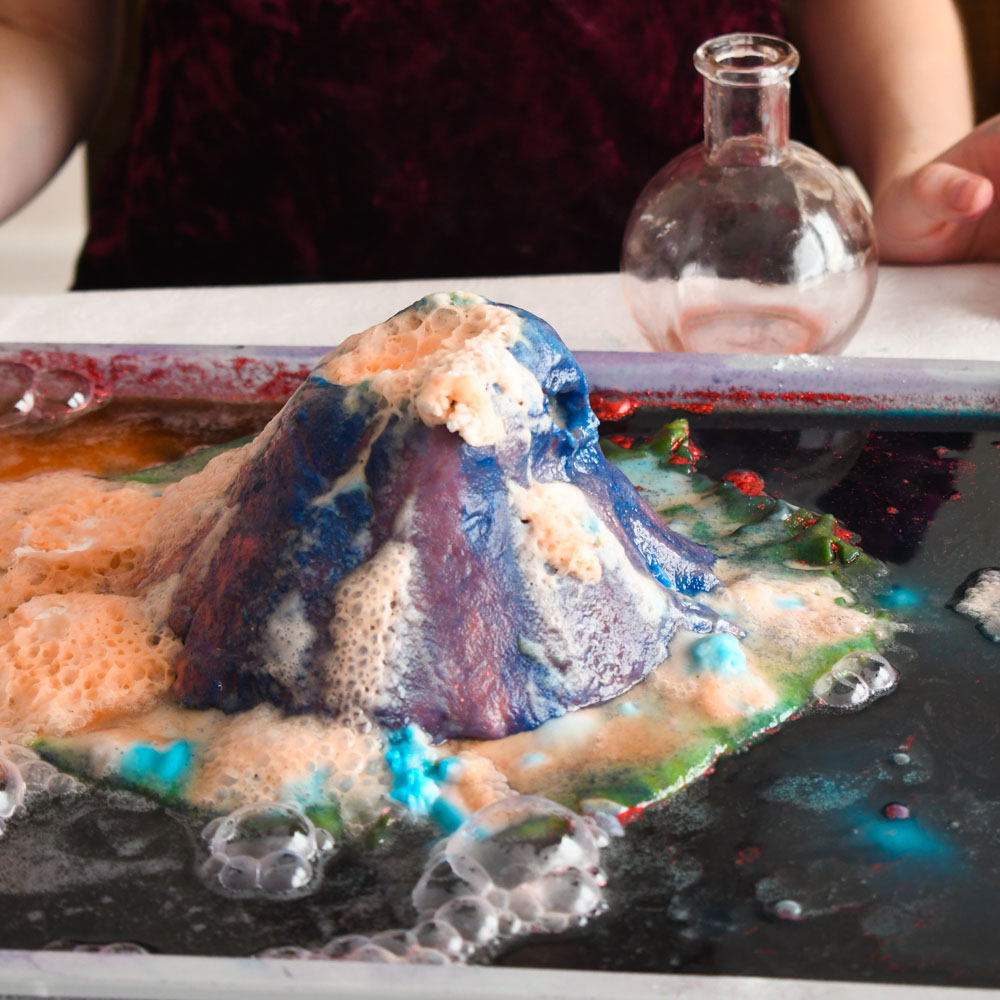
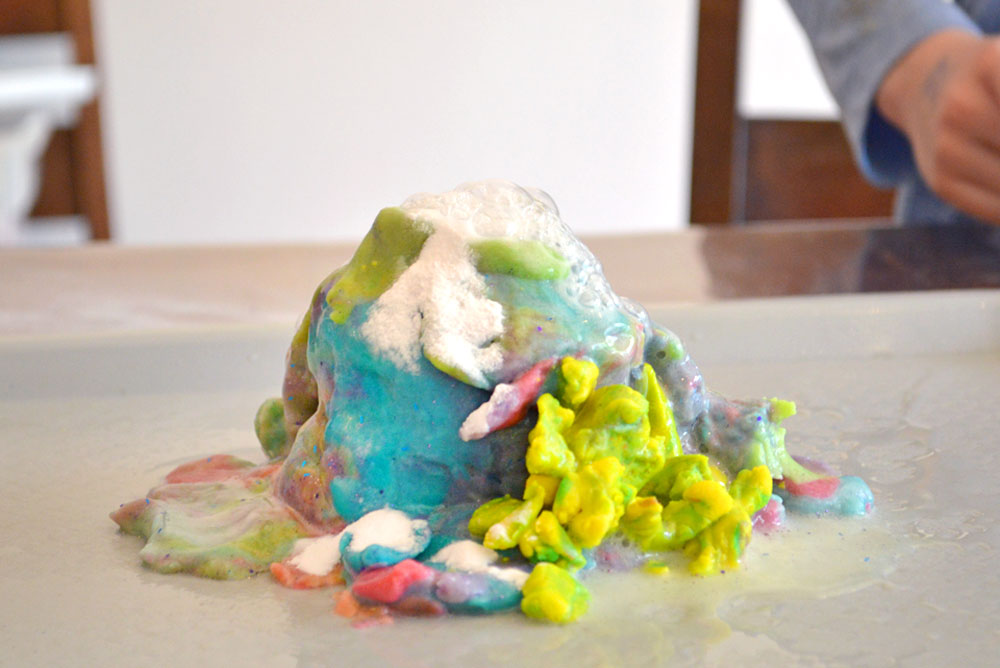
Volcanoes are a classic science experiment for a reason. This kids science activity is easy to do and fun to watch! Shape playdough into a mountain with a hollow center. Pour in a little vinegar, then add a scoop of baking soda. Watch your playdough volcano erupt into fizzy, foamy lava! This is a real chemical reaction. The baking soda and vinegar create carbon dioxide gas, which makes the bubbles.
For the full activity, see our playdough volcano science guide.
Water Bead Speed Track
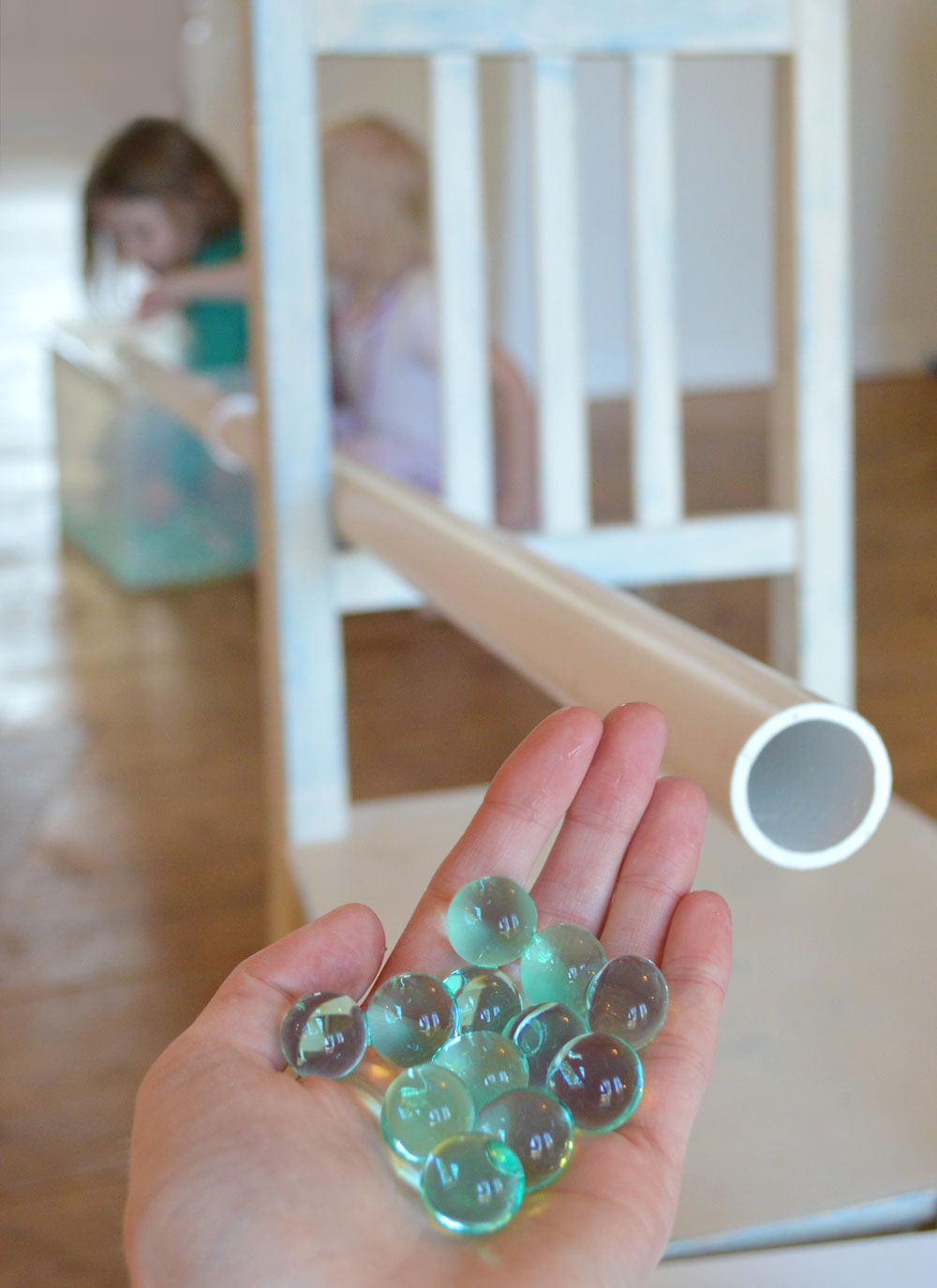
Next, this water bead activity explores gravity and speed. Begin by connecting a few PVC pipe tubes to make a track. Prop one end up high and place a bin at the bottom. Send water beads rolling down the tube! Kids will learn that a steeper track makes the beads roll faster. A lower angle slows them down. Try one water bead at a time, then a whole cupful.
The science concept: This activity is all about gravity and speed. When you raise one end of the track higher, gravity pulls the beads down the slope faster. A steeper track means more speed. A gentler slope means the beads roll more slowly. Kids can see how the angle of the track changes how fast the beads travel, and how gravity is the force pulling them down the whole way.
Five Senses Taste Test
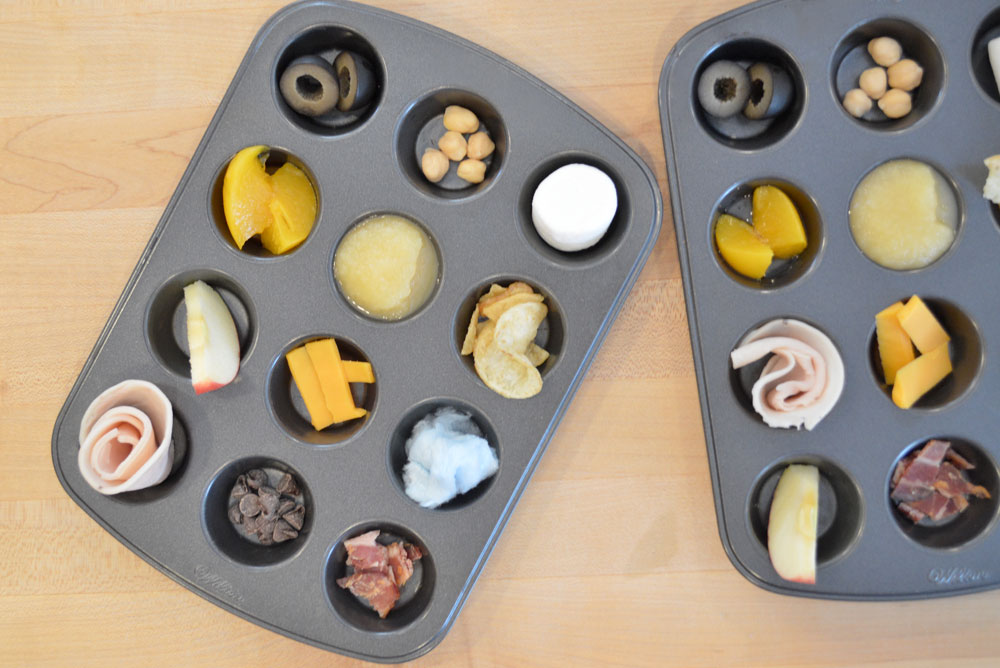
Turn lunch into a science lesson! Fill a muffin tin with small bites of different foods. We used blueberries, banana, pickles, cheese, olives, crackers, chocolate chips, and more! Once you’re set up, let kids taste each food and sort the flavors. Is it sweet, salty, spicy, or sour? A food taste test is a fun way to explore the sense of taste, and to try new foods.
Static Electricity Activities
You do not need a lab to explore static electricity. You just need a balloon! First, teach kids to make a static charge. Rub an inflated balloon on hair, wool, or a fuzzy sweater. Science tip: the person who charges the balloon has to be the one to use it. If someone else touches the balloon, the static charge disappears.
Once the balloon is charged with static electricity, try these three tricks.
Separate Salt and Pepper
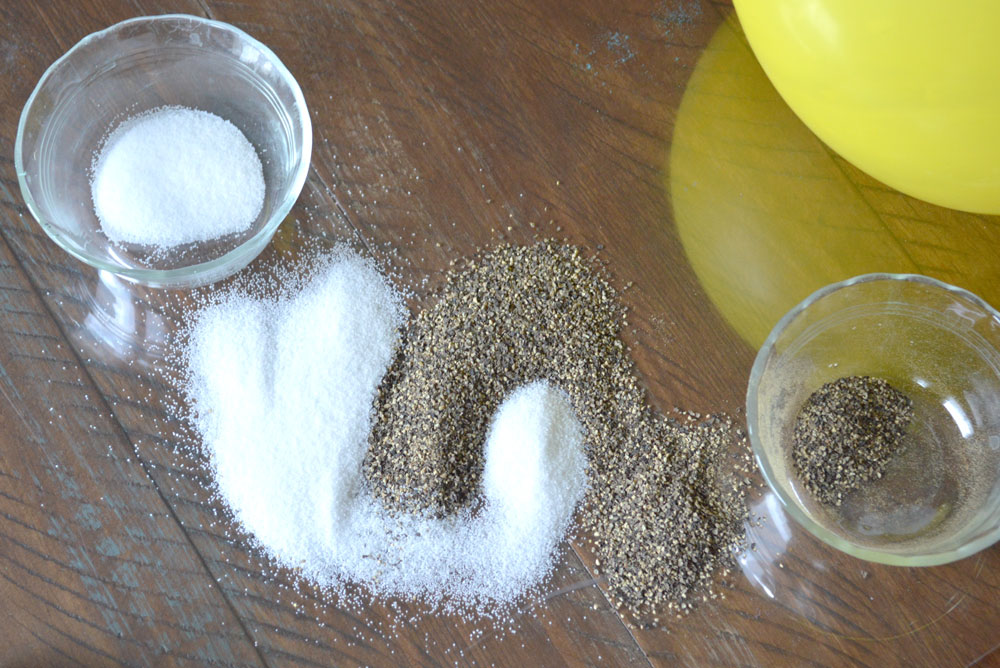
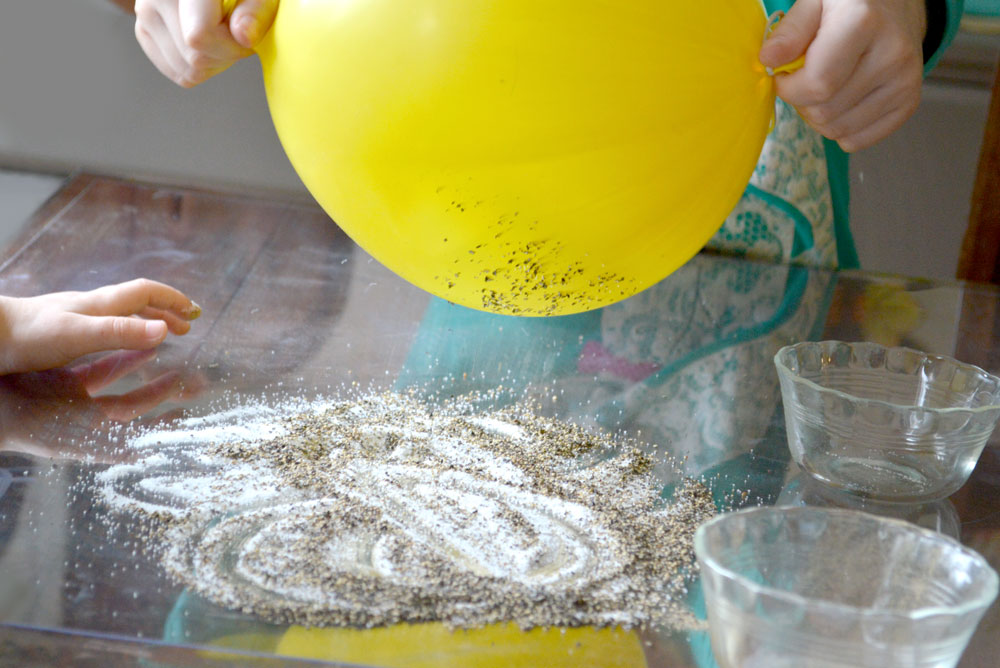
Mix salt and pepper and scatter it on a table. Hold the charged balloon just above the mixture. Lower it slowly. The light pepper jumps up and clings to the balloon, while the heavier salt stays behind. Kids will learn that pepper is lighter than salt.
Move Soap Bubbles
Spread bubble solution on a smooth sheet of glass or plastic. Blow a few big bubbles with a straw. Then bring the charged balloon close. The bubbles follow it around! The soapy water is drawn to the charge, so the bubble moves.
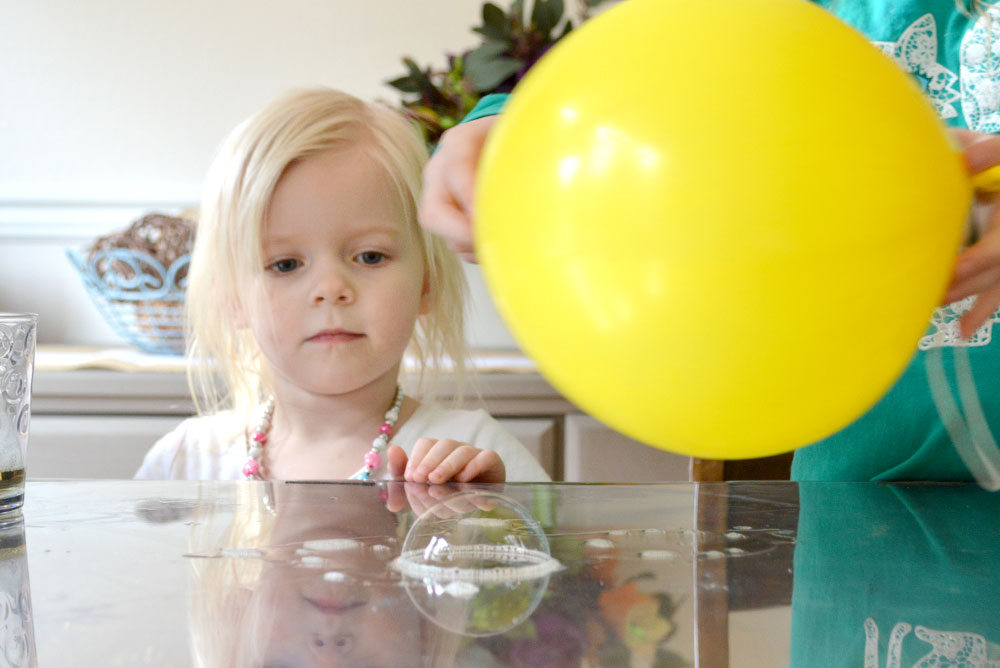
Bend a Stream of Water
Turn a faucet on to a thin, slow stream. Bring the charged balloon close, but do not touch the water. The stream bends toward the balloon! Some drops may even curve through the air. If you touch the water, the charge neutralizes and you have to start over. These activities show the simple energy of static electricity!
Grow Your Own Borax Crystals
Growing crystals feels like magic, and it teaches real science. You can grow shimmery crystals on a pipe cleaner overnight.
Shape a pipe cleaner into a knot, a heart, or a star. Tie it to a small stick with string. Rest the stick across a mason jar so the shape hangs in the middle, without touching the sides or bottom. Next, an adult can help boil water and stir in the borax. Use 4 tablespoons of borax for every 1 cup of water. Pour the mixture into the jar to cover the shape. Then wait overnight for crystals to form! For step-by-step instructions, see our borax crystal hearts activity.
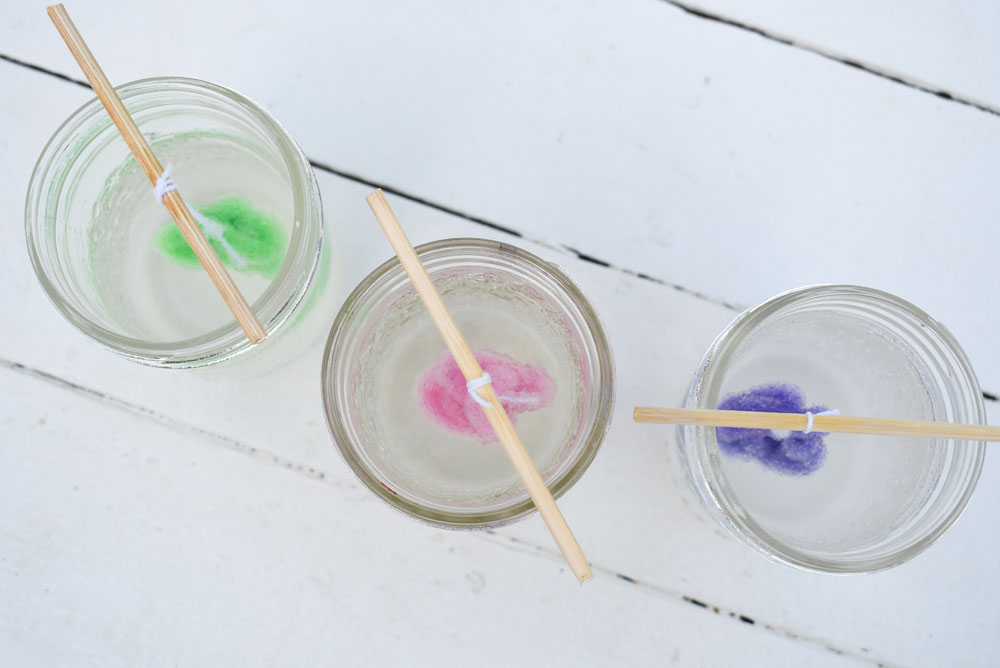
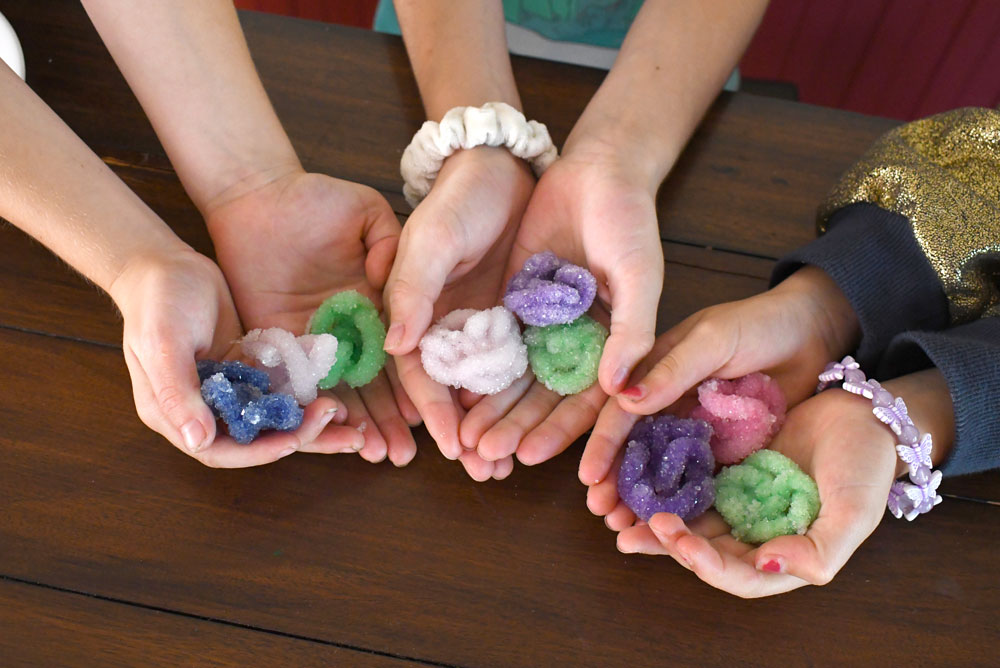
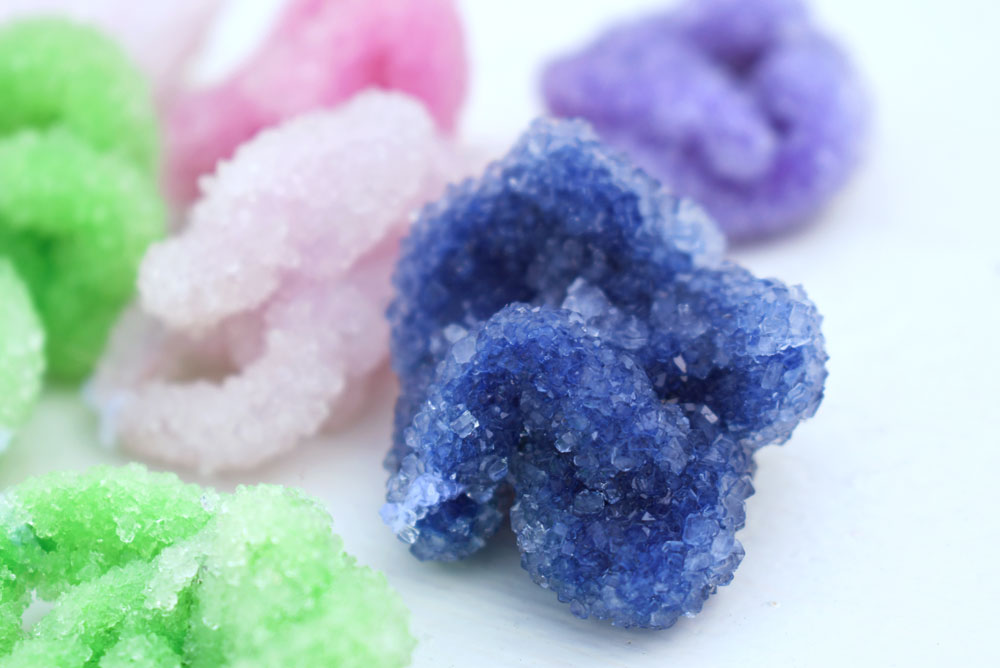
By morning, sparkling crystals cover the pipe cleaner. The pipe cleaner color shows through the clear crystals.
The science concept: Growing borax crystals is not a chemical reaction. It is a physical change called crystallization. Hot water dissolves much more borax than cold water can. As the water cools overnight, it cannot hold all that borax. The borax comes out of the water and stacks onto the pipe cleaner in neat, repeating patterns. That is what forms the crystals!
Safety note: borax is a cleaning product. An adult should handle the boiling water and the borax. Wash your hands after, and keep the jars away from young kids and pets. The finished crystals are for decoration only, not to taste.
Hands-On Math Activities
Math feels different when you can build it with your hands. We’ve built 3D shapes from marshmallows, mixed play dough to explore the color wheel, and dyed eggs with natural colors. Each of these activities turns an abstract idea into something kids can see and touch.
Build 3D Marshmallow Shapes
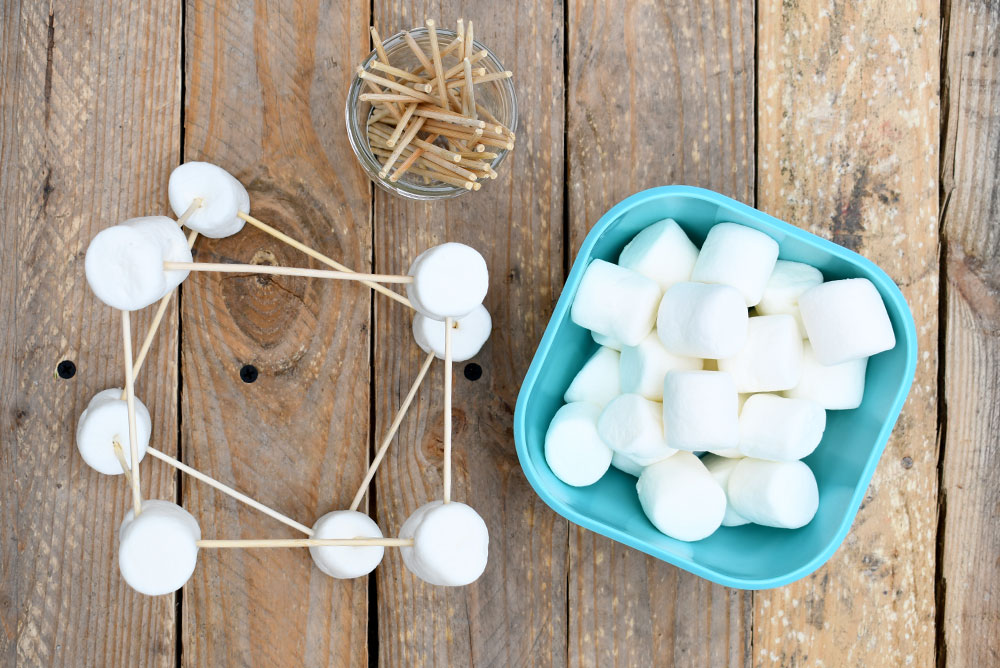
This one turns geometry into a building challenge. Use small wooden sticks and mini marshmallows as connectors. Build 2D shapes first, like squares and triangles. Then build up into 3D shapes, like cubes and pyramids. Kids will discover which shapes are the strongest. We learned that triangles and shorter sticks make sturdier structures. It takes balance and symmetry to build a strong shape.
Color Mixing with Playdough
Additionally, homemade playdough is perfect for a hands-on color lesson. Make a batch of salt dough and split it into the primary colors: red, blue, and yellow. Then let kids combine the dough to make new colors. Red and blue make purple. Blue and yellow make green. This activity is a squeezable, sensory way to learn about the color wheel!
Try our best homemade play dough recipe to get started.

Dye Eggs with Natural Colors
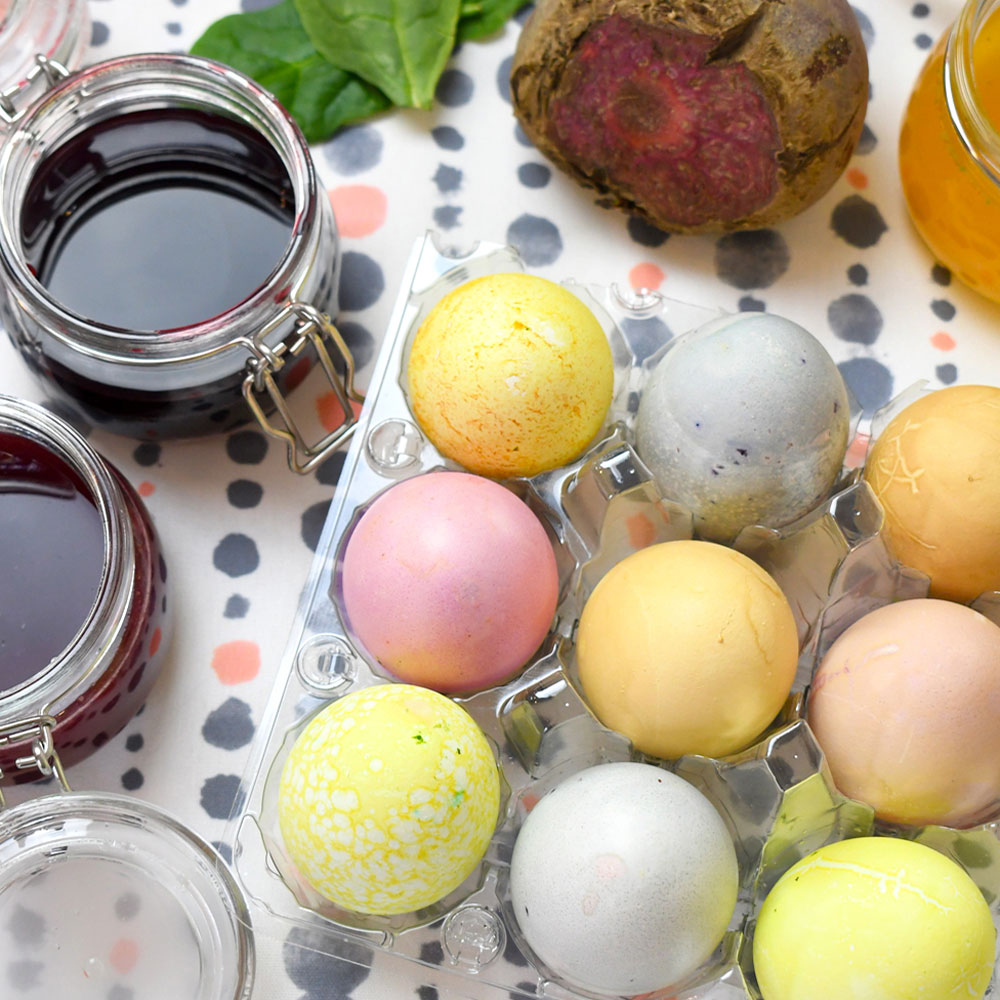
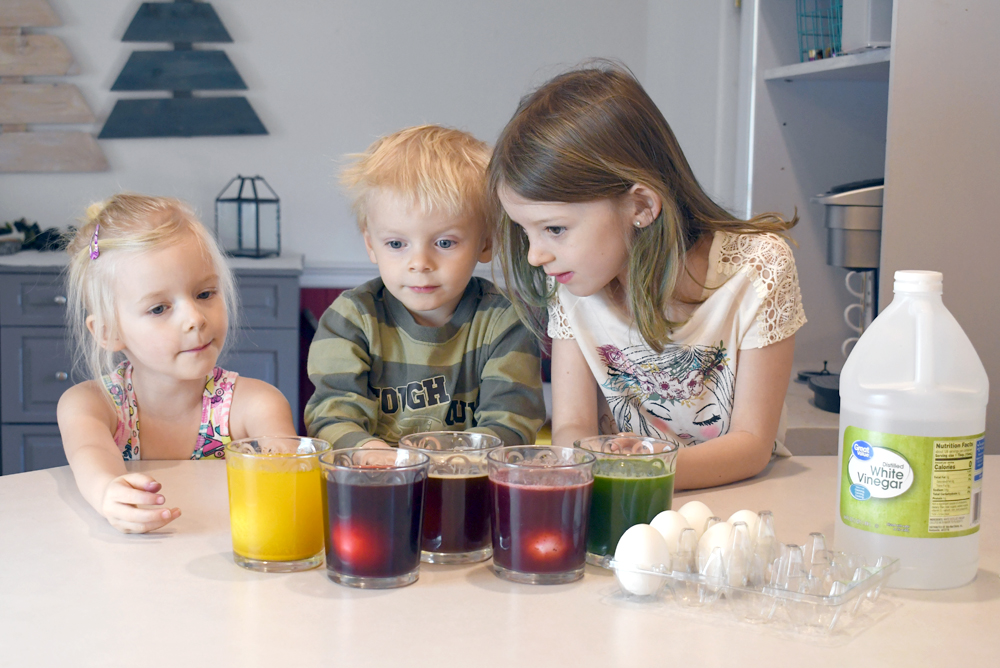
Dyeing eggs blends art, chemistry, and color into a fun, hands-on kids science activity! First, make natural dyes from foods such as beets, turmeric, blueberries, and spinach. Boil, blend, or crush the ingredients, then add a little vinegar to make homemade food dye. Kids can predict which food makes which color, and then test it. See the full method in our natural egg dye tutorial.
Teach Curiosity with Science
Every day is a chance to learn something new! You do not need a big learning plan or fancy school supplies. Some of our best lessons start with a balloon, a plate, or a handful of marshmallows.
I try to plan a few hands-on activities each week. They break up our routine and keep my kids curious. Best of all, learning through play helps concepts really stick. When kids build, mix, and experiment, they remember what they discover!
Which science or math activity will your family try first?
Hi, I’m Katie! I’m a homeschool mom who’s traveling the world with my husband and 4 kids. We raised our family in North Idaho and currently live in Mérida, Mexico. I love Jesus, coffee, creative projects, photography, and traveling. I hope you enjoy our creative ideas and family adventures!