Why We Teach Our Kids at Home & How It Works
Our family has been homeschooling since the beginning of our kids’ school journey. We started with preschool worksheets and coloring pages, and now we’re navigating junior high research assignments and lab reports. Along the way, we’ve figured out a routine that works for our family. One that balances structured learning with creative projects, outdoor adventures, and the flexibility to travel internationally.
Homeschooling isn’t always easy. Some days are smooth and productive. Others are full of distractions, attitudes, and lessons that don’t go as planned. But we’ve found that this lifestyle gives our family something really special. We receive the chance to learn together, grow together, and make memories through everyday moments. Here’s an honest look at why we homeschool, how we structure our days, and how travel fits into our kids’ education.
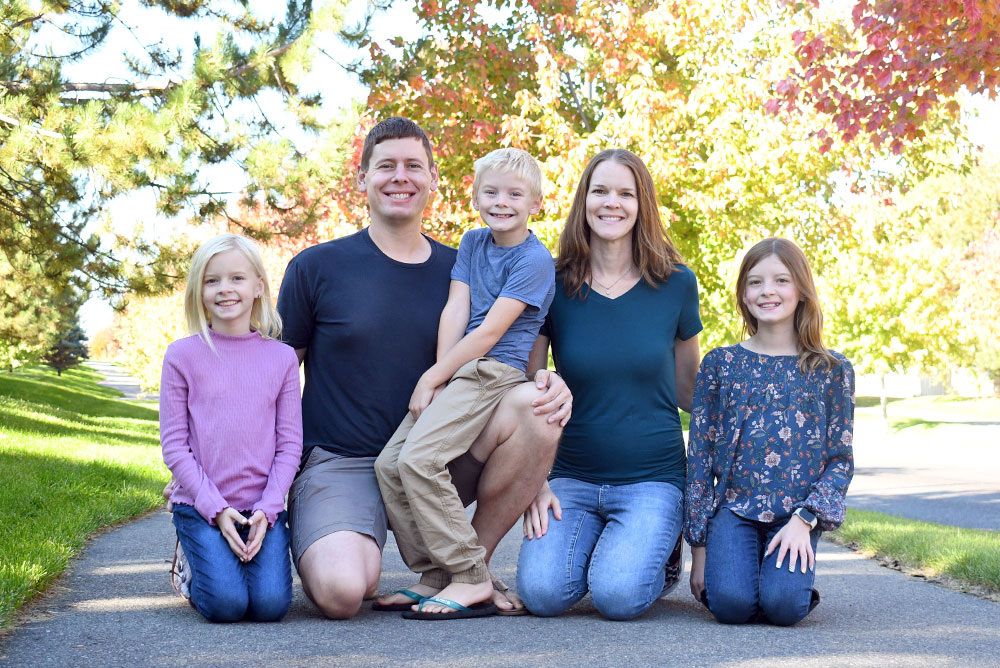
Why We Homeschool
We didn’t start homeschooling because we had it all figured out. We started because we wanted the freedom to raise and educate our kids in a way that felt right for our family. Years later, we’re still learning as we go, and we love it. Here are the biggest reasons homeschooling works for us.
Flexibility to Live Life on Our Terms
This is the number one reason our family loves homeschooling. My kids can get their core subjects done in the morning and be available for a fun activity or a field trip in the afternoon. If something comes up, a friend invites us over, or we simply need a change of scenery, we can shift our schedule without asking anyone’s permission.
That flexibility also extends to bigger things. One year, we left behind the Idaho winter and took a 3-month RV trip to Arizona during the school year. We brought our workbooks, kept up our routine, and explored a completely new part of the country. Our kids learned about desert plants and animals, visited nature centers, and went on family hikes in state parks. That kind of adventure isn’t possible with a traditional school calendar.
Customized Learning for Each Kid
Every one of my kids learns differently. My daughter who loves art can reinforce a science lesson by making something creative. My son builds Lego cars and we talk about force, momentum, and friction. We can watch YouTube videos to dig deeper into a topic that sparks my kids’ curiosity.
I combine workbooks for math and language arts with hands-on activities for science and social studies. This mix keeps learning engaging and allows me to meet each child where they are. My older kids can work independently while I give more focused attention to the younger kids. By about 4th grade, I’ve found that most kids can manage their own school tasks with just occasional check-ins from me.
Family Closeness
Because we homeschool, our kids are close friends. They support each other and learn life skills side by side. Additionally, they spend their days together in a way that naturally builds strong sibling relationships. Teaching my kids at home is a special way to enjoy sweet family time and create memories together. I’ve discovered that I can be an effective teacher as well as a creative mom. I just need to stay organized and keep things fun.
Learning Goes Beyond Academics
Homeschooling isn’t just about workbooks. I love the hands-on opportunities to teach my kids about so much more than academics. We bake together and learn fractions through measuring ingredients. We do science experiments in the kitchen and discuss what happened and why. To get out of the house, we visit local historical sites and connect what we’ve read to real places. Even if we weren’t homeschooling full-time, we’ve discovered lots of school-inspired activities to do with kids at home.
School Can Be Super Fun
Once our core subjects are out of the way each day, we do lots of creative activities. My kids love mixing up slime, making homemade playdough, building playdough volcanoes, and going on nature hunts. One year, we learned about how fossils are formed and visited a local flora fossil dig in Clarkia, Idaho. Every experience becomes a lesson when you’re looking at the world through a homeschool lens.
Our Flexible Homeschool Routine
A regular schedule is the backbone of productive homeschool days. My kids are happier and more focused when they know what to expect. But our routine is flexible enough to shift when life happens, and in a family of six, life happens a lot.
A Typical Homeschool Morning
Here’s what a normal school day looks like in our house:
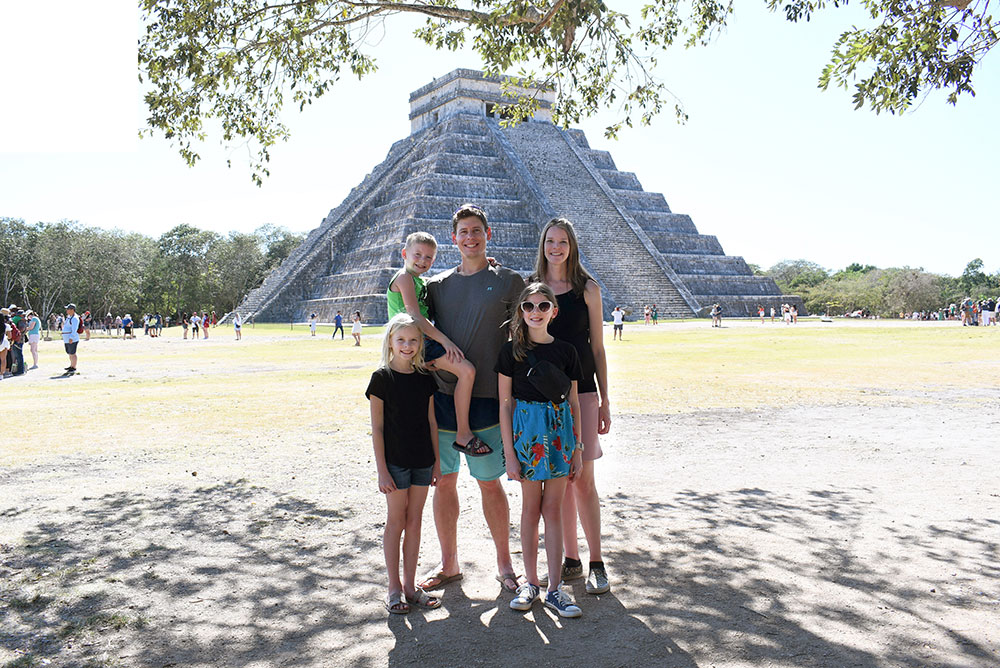
9:00 AM – Bible & History: We start every day the same way. I gather the kids on the couch and we read a Bible passage together, discuss it, and pray. Then we read a chapter from our Mystery of History book, sometimes followed by a short YouTube video about the day’s topic. Starting together as a family sets a calm, focused tone for the morning.
10:00 AM – Workbooks: After our group time, the kids go to their individual desks to work through their subjects. They complete lessons in math, language arts, spelling, and handwriting. We use Abeka workbooks, which are easy to divide into flexible daily lessons. The colorful pages and repetition help kids build mastery at their own pace. Younger kids get more hands-on help from me, while my older kids work independently and check in when they have questions.
I’ve learned that my kids work harder in shorter intervals. I let them take a 5–10 minute break after finishing two subjects, which includes a quick snack, a trip to the bathroom, or a few minutes of play. These breaks keep them motivated and ready to tackle the next subject.
12:30 PM – Lunch: My kids choose their own lunch from available options. We often have charcuterie-style foods, easy meals, or leftovers. The kids help clean up, which is a life skill in itself.
Afternoon Activities
1:00 PM – Reading: After lunch, we have quiet time. I sometimes serve tea or lemonade alongside scones or cookies and read a chapter of a storybook aloud. Or the kids settle into their rooms to read their own chapter books. This calm hour after lunch gives everyone a chance to recharge after an active morning. When my daughter Kiera was 8, she loved reading American Girl books during this time.
2:00 PM – Screen Time, Activities & Creative Projects: After 2 PM, the day opens up. The kids might have screen time (YouTube drawing tutorials, BrainPOP learning games, or Minecraft together), work on a science experiment, play outside, or go to an extracurricular activity. We typically limit screen time to about 90 minutes.
Extracurricular Activities
Each quarter, we let our kids choose one or two activities. Over the years they’ve done soccer, swimming lessons, gymnastics, cheerleading, basketball, and piano. We try to group siblings together to keep the schedule simple. On days without formal activities, we often do art projects or science experiments at home, such as growing heart-shaped borax crystals or making fake snow.
Grade-Level Expectations
Through years of homeschooling, I’ve learned what to expect at each stage:
Preschool & Kindergarten: I keep young kids busy with phonics worksheets, coloring pages, and lots of hands-on play. Afternoon reading lessons and sensory activities round out the day. At this age, learning should feel like play.
1st – 3rd Grade: Kids need more hands-on help. I work with them to understand their assignments and stay on track with schoolwork. Timers and short breaks help maintain focus.
4th – 5th Grade: Kids start to work more independently. They can read their own instructions and manage their workload with some guidance. This is a great age for building self-discipline.
6th – 8th Grade: My older kids do their own work, check in with me for new lessons, and take ownership of their progress. They’re also ready for more advanced projects like research assignments and science lab reports.
Learning Through Travel: Our Worldschooling Adventures
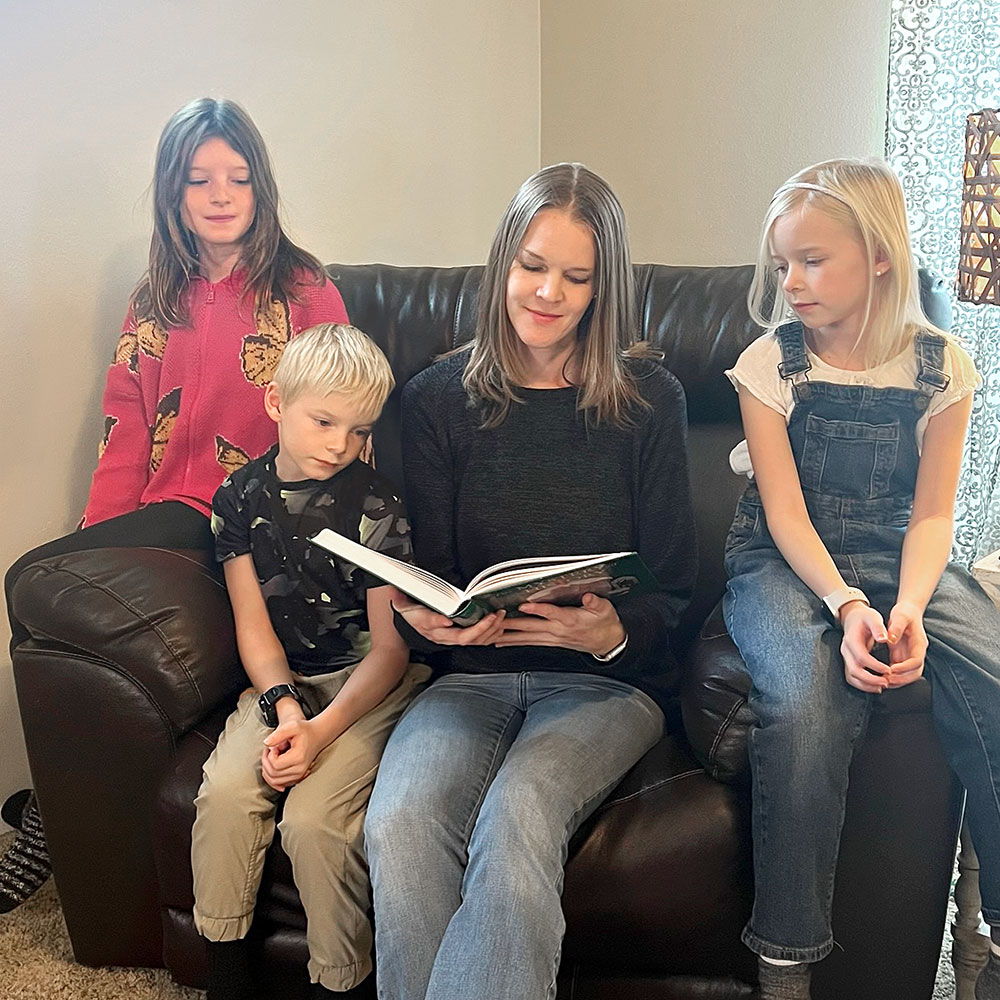
One of the biggest reasons we love homeschooling is the freedom to learn on the road. We call it worldschooling — using travel destinations as our classroom. Our kids have studied Mayan history at ancient ruins, explored medieval villages in France, and learned geography by actually living in different places.
How We Homeschool While Traveling
When we travel, we keep our routine as consistent as possible. Mornings are reserved for core subjects — we bring our workbooks and find a quiet spot at our Airbnb, a park, or even a café. Afternoons are for exploring. This rhythm works whether we’re on a weekend camping trip or a month-long international stay.
During our 30-day stay in Mérida, Mexico, we visited Chichén Itzá and learned about Mayan civilization firsthand. Our kids swam in cenotes, explored the Governor’s Palace, and practiced their basic Spanish at local markets. That kind of immersive learning sticks with kids in a way textbook chapters simply can’t replicate.
In England, we stood in front of Stonehenge and talked about ancient civilizations. While exploring Paris, we studied art at the Louvre and viewed the amazing engineering of the Eiffel Tower. In Wales, we hiked waterfalls and explored castles. Every destination becomes a lesson.
Travel as Education
Worldschooling doesn’t have to mean international trips. Even local adventures count. We’ve taken our kids to the Clarkia Fossil Dig in Idaho to learn about Miocene-era plant fossils. We’ve explored tide pools, hiked state parks, and visited museums. The key is being intentional about connecting experiences to what the kids are learning.
Our 3-month RV trip through Arizona was one of our greatest worldschooling experiences. We boondocked in the desert, hiked through saguaro forests, visited the International Wildlife Museum, and explored more than 20 state parks. The kids learned about desert ecosystems, Native American history, and the night sky — all while keeping up with their math and reading workbooks in the mornings.
Workbooks & Hands-On Learning
We use a blend of structured curriculum and creative activities. The workbooks provide consistency and measurable progress. The hands-on projects make learning come alive.
Our Favorite Curriculum
We’ve used Abeka workbooks for several years to teach math, phonics, language arts, and reading. The workbooks are well-organized with colorful illustrations and built-in repetition that helps kids master each concept. I can easily divide the pages into daily lessons, which keeps our schedule flexible. The Abeka readers have helped my girls develop strong reading comprehension skills.
For history, we use Mystery of History, which takes us chronologically through world events. We supplement with YouTube videos, documentaries, and field trips when a topic really captures the kids’ interest.
For science, we take a project-based approach. Rather than following a textbook, we explore topics through hands-on experiments — building volcanoes, growing crystals, mixing slime, and making observations in nature. When our kids show interest in a topic, we go deeper. That curiosity-led approach is one of the things I love most about homeschooling.
Creative Activities We Love
The afternoon creative time is often the highlight of our homeschool day. Here are some of our family’s favorite projects:
- Playdough Volcano Science Activity — chemistry with baking soda and vinegar
- DIY Glitter Slime (No Borax) — a sensory science experiment kids can do themselves
- The Best Homemade Playdough Recipe — soft, colorful, and stores for months
- Growing Heart-Shaped Crystals — a lesson in supersaturated solutions
- Fake Snow Sensory Activity — fluffy DIY snow for year-round play
- Learning Activities for Preschool & Kindergarten — scissors skills, button art, sidewalk chalk paint, and more
These projects turn open afternoons into mini adventures. They reinforce what the kids are learning, develop fine motor skills, and give everyone (including me) something to look forward to after workbook time.
Tips for Homeschool Parents
After years of teaching our kids at home, here’s what I’d share with any family considering homeschooling or just starting out:
Start the day the same way every day. Consistency is the single most important thing. When my kids know what to expect, the mornings run smoother and everyone is happier. Our Bible and history time sets the tone.
Enforce a schedule, but stay flexible. The schedule is a guideline, not a prison. If a great field trip opportunity comes up, we shift things around. Flexibility is the beauty of homeschooling.
Let kids take breaks. Shorter work intervals with breaks in between produce better focus than long, uninterrupted blocks. A snack or five minutes of play between subjects makes a big difference.
Encourage kids with food. This is one of my most practical tips. A mid-morning snack around 10:45 — pretzels, fresh fruit, cheese and crackers — keeps energy up and motivates kids to push through their remaining subjects.
Make time for reading. Our after-lunch reading hour is sacred. It gives the kids quiet time to recharge and builds a love of books that carries into everything else they do.
Keep it simple. We take one day at a time. Not every day will be perfect. Some days, finishing two subjects and going for a hike is a win. Homeschooling is a marathon, not a sprint.
Frequently Asked Questions
How do you start homeschooling your kids?
Start with a consistent daily schedule and choose a curriculum that fits your family’s learning style. We use Abeka workbooks for core subjects and supplement with hands-on activities and creative projects. Every state has different homeschool laws, so check your local requirements first.
What does a typical homeschool day look like?
Our day starts at 9 AM with Bible time and history. From 10 to noon, the kids work through their math, language arts, spelling, and handwriting workbooks. After lunch, we have quiet reading time. Afternoons are for creative projects, extracurricular activities, or screen time.
Can you homeschool while traveling?
Yes! Our family has homeschooled on extended trips through Mexico, England, France, and across the U.S. We keep mornings for workbooks and use afternoons to explore. Travel destinations become real-world classrooms for history, science, geography, and cultural studies. We call this approach worldschooling.
What is worldschooling?
Worldschooling uses travel as a core part of education. Instead of only learning from textbooks, kids experience different cultures, visit historical sites, and practice real-world skills in new places. Our family combines traditional curriculum at home with worldschooling during our international trips.
What curriculum do you use for homeschool?
We primarily use Abeka workbooks for math, phonics, language arts, and reading. For history, we use Mystery of History. For science, we take a project-based approach with hands-on experiments. We also supplement with YouTube videos, educational games, and lots of creative activities.
Is homeschooling hard?
Some days are smooth and productive. Other days are challenging. The hardest part is staying consistent when life gets busy or the kids aren’t cooperating. But the rewards — flexibility, family closeness, customized learning, and the freedom to travel — far outweigh the tough days for our family.
Explore More
- Kids Activities Hub Page — science experiments, sensory play, crafts & more
- Homeschooling Tips for Teaching Your Kids — our detailed guide to daily routines and grade-level strategies
- 30 Days in Mérida, Mexico with Kids — worldschooling in action
- Visiting Stonehenge with Kids — a homeschool field trip in England
- The Complete Guide to Coeur d’Alene with Kids — 30+ family activities in our hometown
 See our creative projects, kids activities, & party ideas »
 Homeschool Tips & Ideas »