Creative projects, science experiments & homeschool ideas for kids of all ages
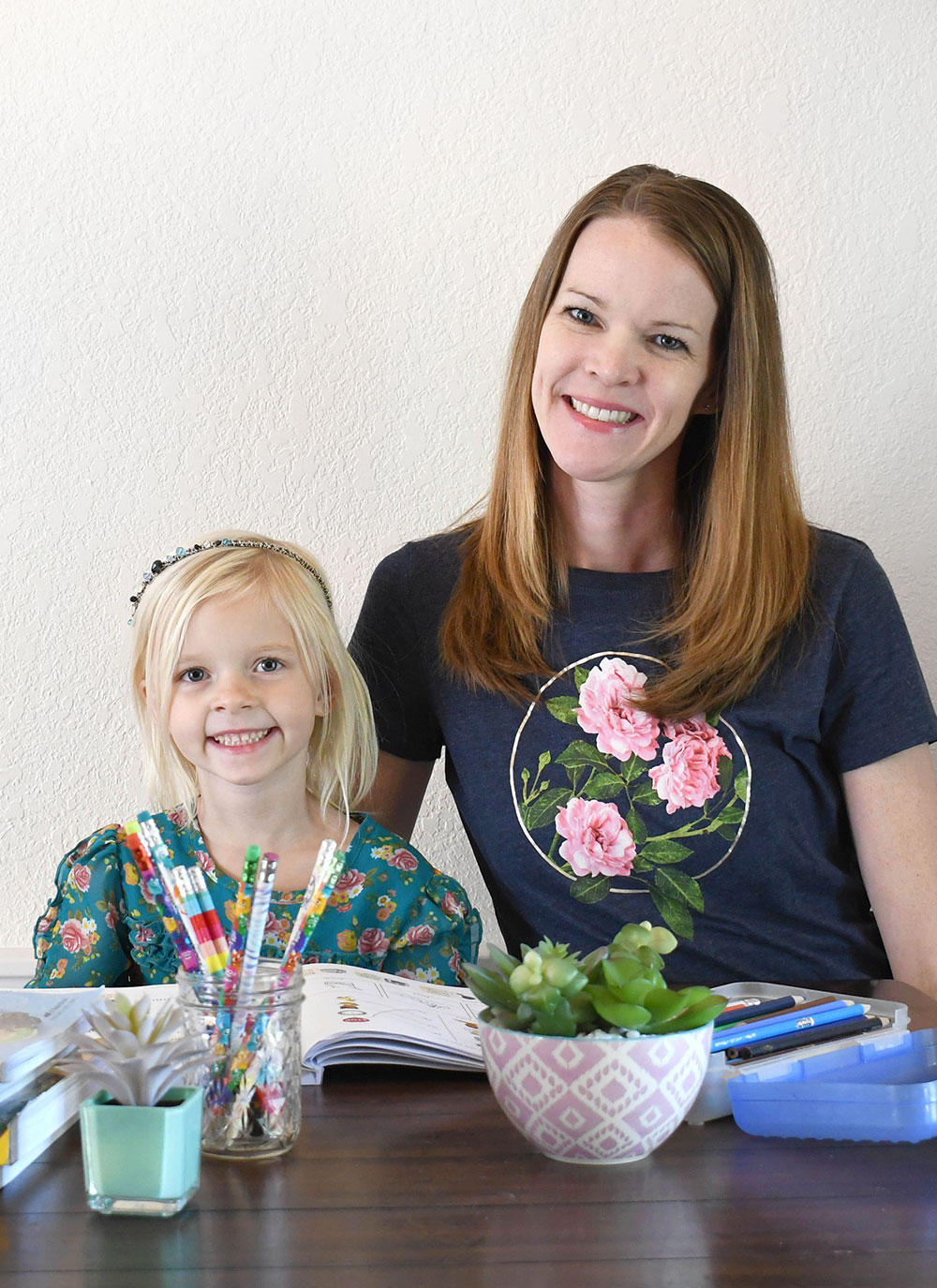
Inspire your kids with hands-on activities, colorful crafts, science experiments, and creative play ideas. From toddler sensory bins to teen DIY projects, these are our family’s favorite ways to learn, create, and have fun together. We homeschool our four kids and weave creative projects into our school days, because the best kind of education is fun!
Browse by section or scroll through to find your next family project.
Science Experiments
There’s something magical about watching your kids discover how things work. These hands-on science activities use common household ingredients and turn an ordinary afternoon into a homeschool lab. Our kids have done many of these experiments multiple times. The excitement of a fizzy eruption or a growing crystal never gets old.
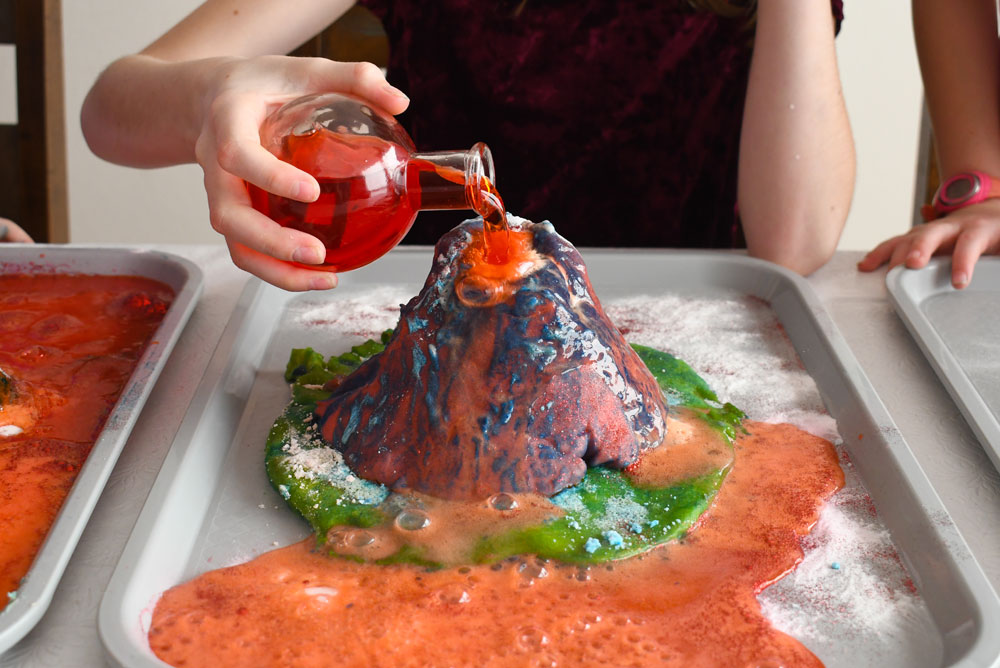
Playdough Volcano Science Activity
Build a volcano out of playdough, add baking soda and colored vinegar, and watch it erupt into fizzy bubbles. This classic chemistry experiment teaches kids about chemical reactions, and they can repeat it over and over with different colors and amounts. Our kids played with their playdough volcanoes for days. This is a great project to pair with a unit study on earth science.
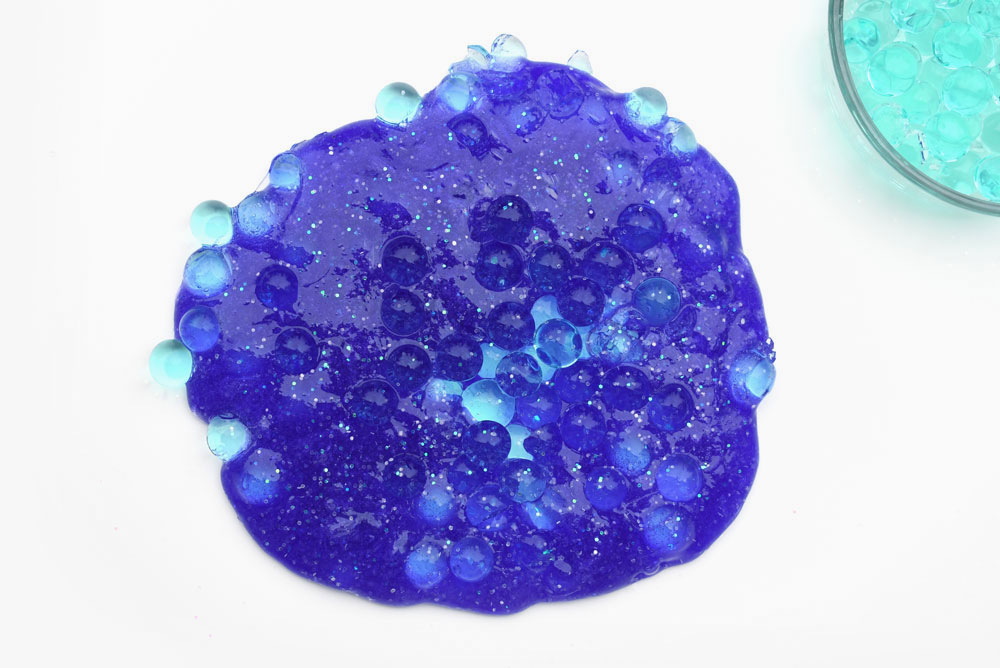
Glitter Slime for Kids (No Borax)
This easy 3-ingredient slime recipe uses clear glue, baking soda, and contact solution, no borax needed. Kids can mix it up themselves, choose their own colors, and add glitter or other fun mix-ins. The recipe is simple enough for preschoolers with a little help and engaging for older kids who want to experiment with different consistencies. We’ve made batch after batch of slime in our house and it never gets old. Our DIY slime guide includes a printable recipe card.
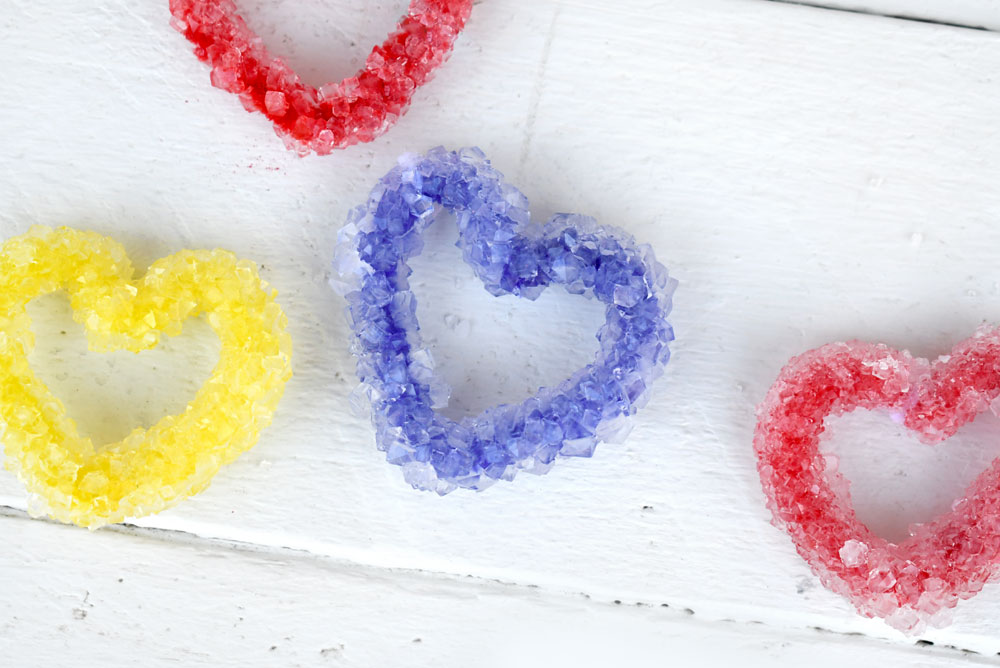
Grow Heart-Shaped Crystals
Growing crystals is a fascinating way to teach kids about supersaturated solutions. Twist pipe cleaners into shapes, suspend them in a borax-water solution, and watch crystals form overnight. We’ve grown heart-shaped crystals for Valentine’s Day and classic geodes. This project works for a wide age range. Younger kids can twist the pipe cleaners while older kids can learn the science behind crystallization.
Sensory Play & Creative Activities
Young kids learn through touch, texture, and exploration. These sensory activities keep little hands busy and curious minds engaged. Making playdough, sugar sand, and fake snow is perfect for rainy days, homeschool breaks, and quiet afternoons when kids need an interactive project.
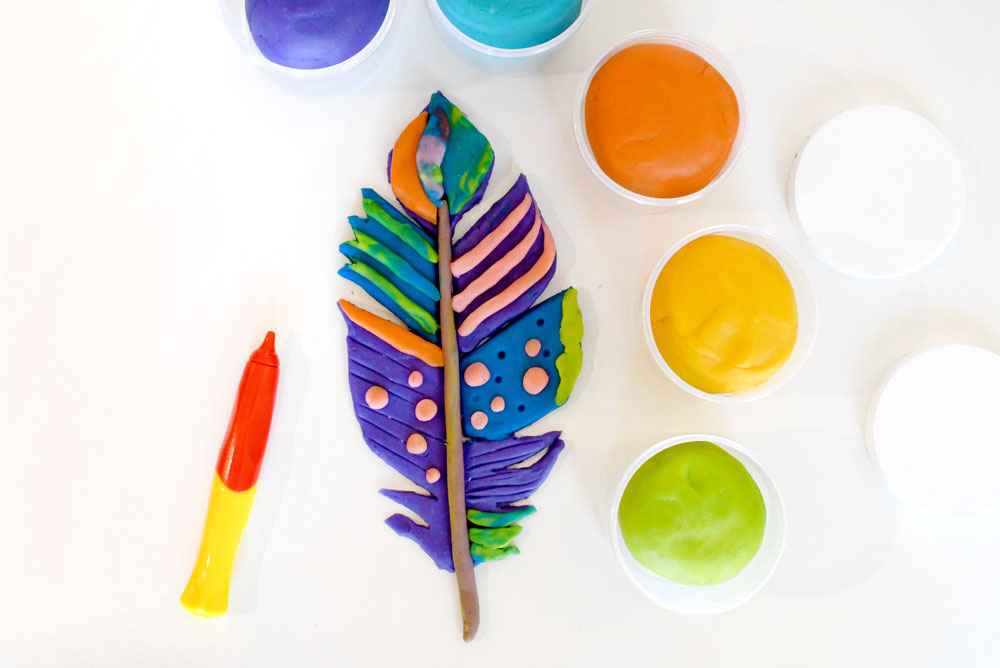
The Best Homemade Playdough Recipe
Our favorite playdough recipe makes soft, moldable dough that’s not too salty or drying. Kids can help mix the ingredients on the stove (with supervision) and choose their favorite colors. We’ve made playdough dozens of times. It stores for months in ziplock bags and the salt acts as a natural preservative. Add glitter, mint extract, or lavender essential oil for extra sensory fun.
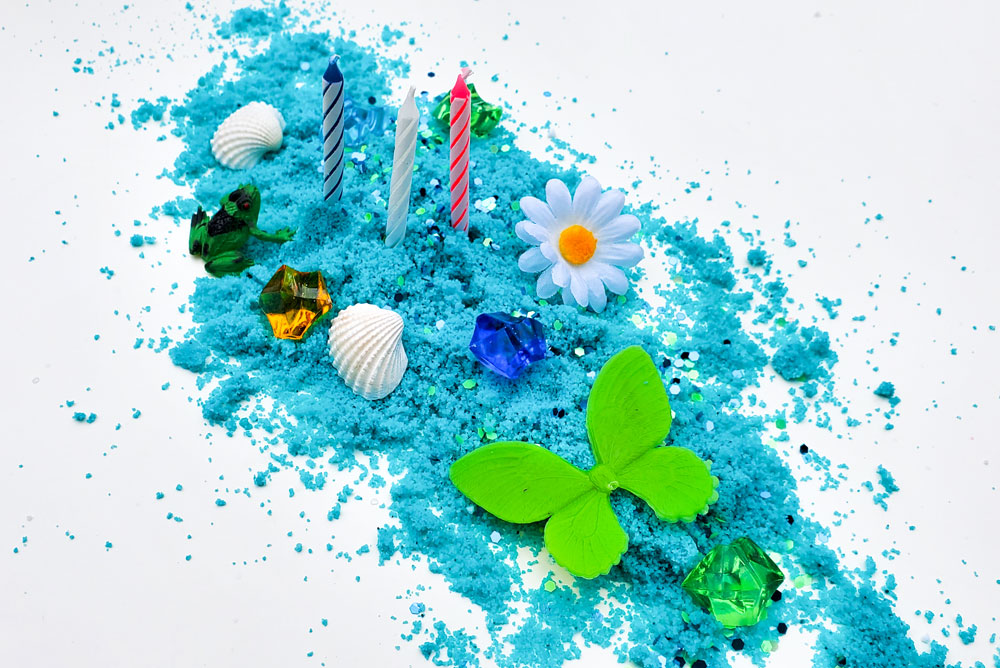
DIY Sugar Sand Sensory Bin
Make your own play sand using sugar and cornstarch in a food processor. Add food coloring and natural fragrance, then hide small treasures inside for kids to discover. Our daughter spent hours scooping and sculpting in her ocean-themed sugar sand bin. This is a great activity for toddlers through early elementary.
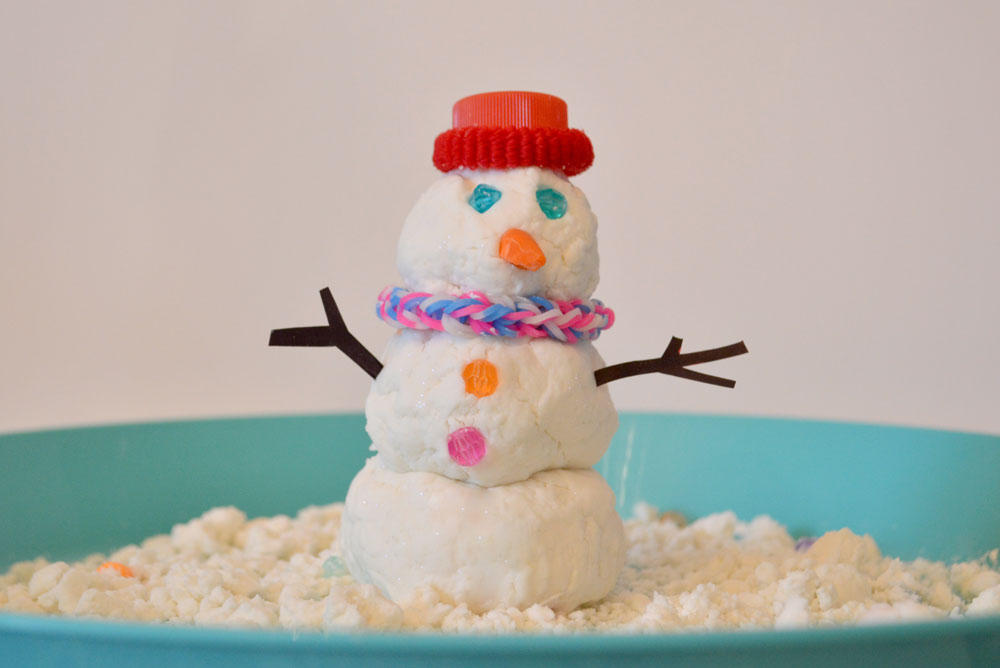
Fake Snow Sensory Activity for Kids
Additionally, try making fluffy DIY play snow using baking soda and hair conditioner. Or try the cornstarch cloud dough version for snow that holds its shape. Kids can sculpt snowmen, roll snowballs, and mold sparkly snow cupcakes. This is one of our favorite sensory activities because it works year-round! We’ve played with fake snow on hot summer afternoons just as often as snowy winter days. Try our two simple fake snow recipes for endless creative play.
Crafts & Creative Projects
Our family loves making things. Whether it’s paper crafts, holiday cards, or costume accessories, these projects are designed for kids! Many of our creative kids projects use minimal supplies and materials you already have at home.
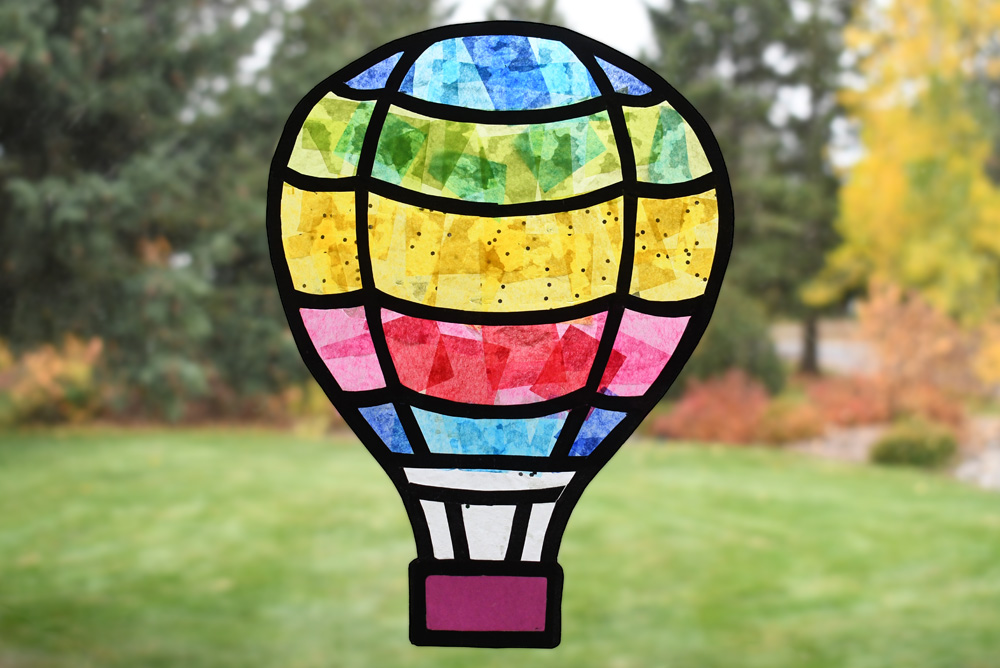
Hot Air Balloon Suncatchers Kids Craft
Furthermore, colorful hot air balloon sun catchers are sure to brighten up any window. Kids will enjoy designing these balloons and practicing scissor and gluing skills. This guide includes a free printable template. These easy kids craft suncatchers are fun to make any time of year!
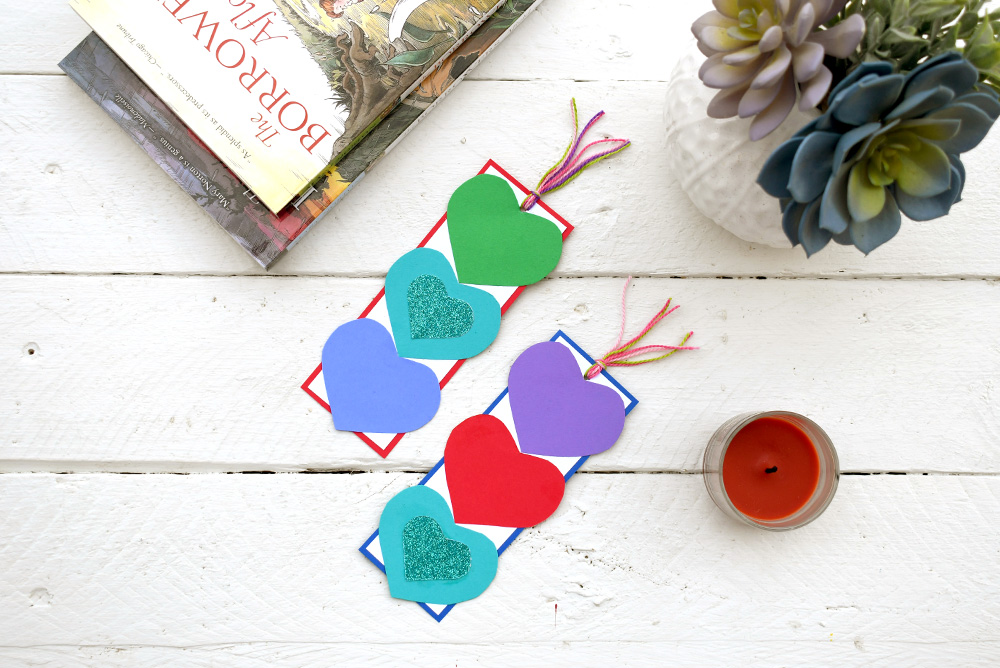
DIY Paper Heart Bookmarks
For avid readers, paper heart bookmarks are cute, useful, and easy to make with any color of craft paper. The colored hearts stand out against the white background, accented by a yarn tassel. Kids can make a set for themselves or to give as gifts to friends.
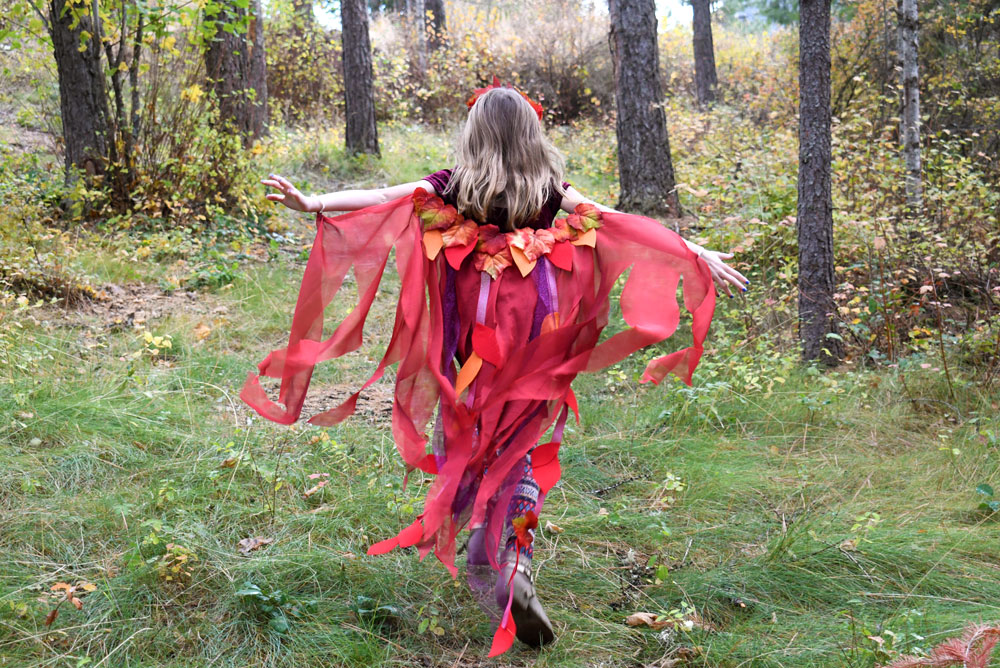
No-Sew Phoenix Kids Costume
Finally, a creative costume project that doesn’t require a sewing machine! This bright phoenix costume is perfect for Halloween, dress-up play, or school events. Our kids love costumes that let them become a character, and this one is colorful and dramatic without being complicated to make.
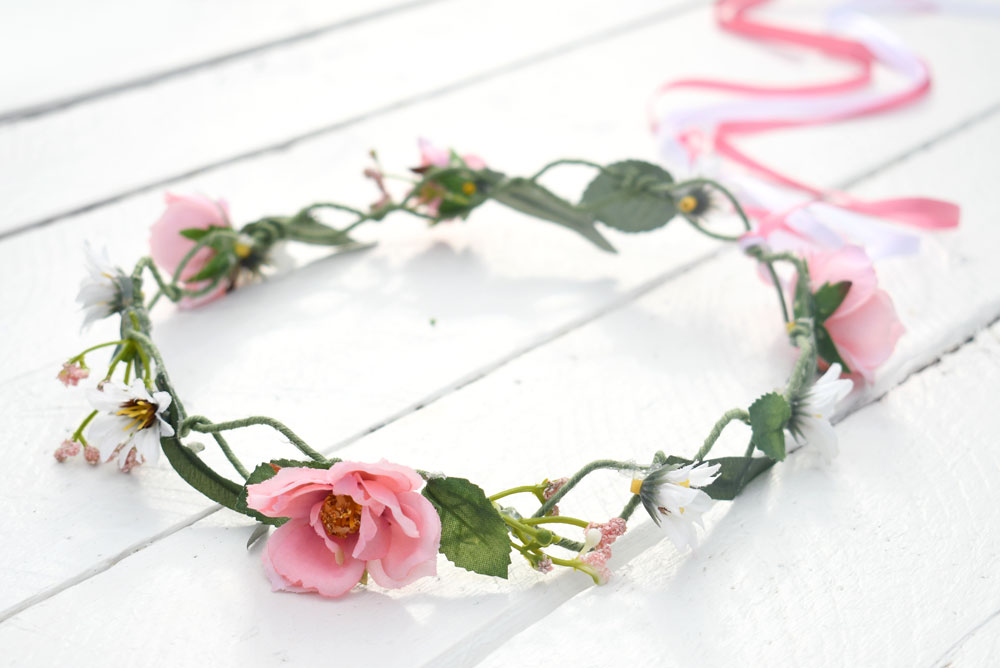
DIY Flower Crowns & Bouquets
For spring, summer, dress-up, and weddings, these beautiful flower crowns are sure to get attention. Learn how to design cute floral accessories using silk flowers, wire, and ribbon. I originally designed this project for our girls who were flower girls in a wedding. Watch my DIY video tutorial for more details!
Homeschool Resources & Tips
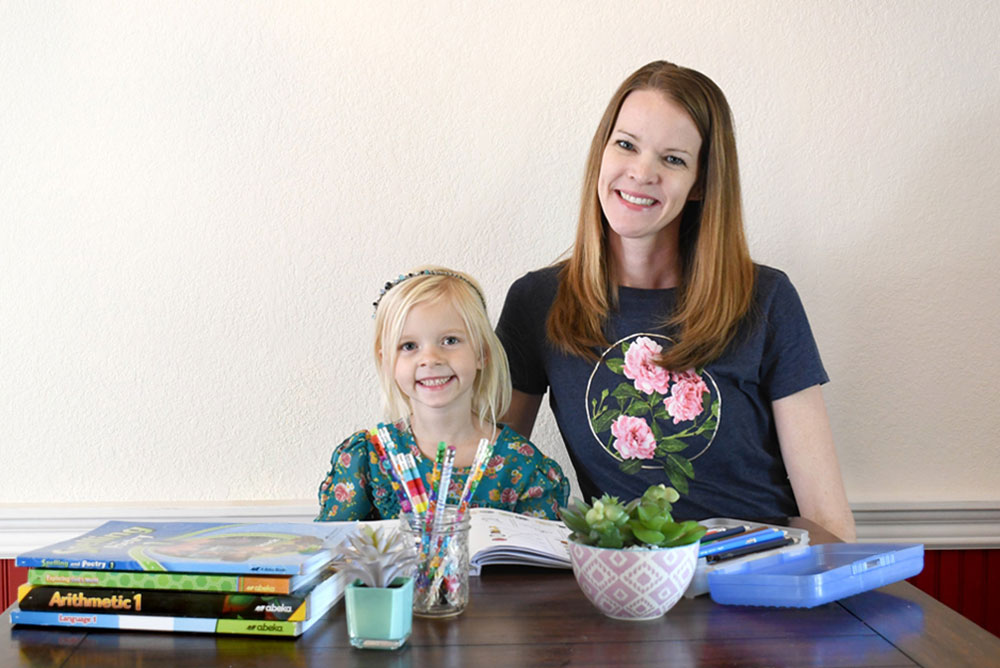
Along with creative projects, we teach our kids practical knowledge of math, language arts, social studies, and science. Our family has homeschooled for more than 10 years. Along the way, we’ve figured out what works for our kids. Our school approach includes a flexible routine, a mix of workbooks, and transforming everyday experiences into learning opportunities. These posts share what we’ve learned!
Our Homeschool Journey: Why We Teach Our Kids at Home & How It Works
We’ve homeschooled our four kids from preschool through junior high. This guide covers why we chose homeschooling and what our daily school routine looks like. We also share our favorite curriculum and workbooks, how we set grade-level expectations, and how we learn through travel and worldschooling. Whether you’re new to homeschooling or looking for fresh ideas, this is everything we’ve learned throughout our journey.
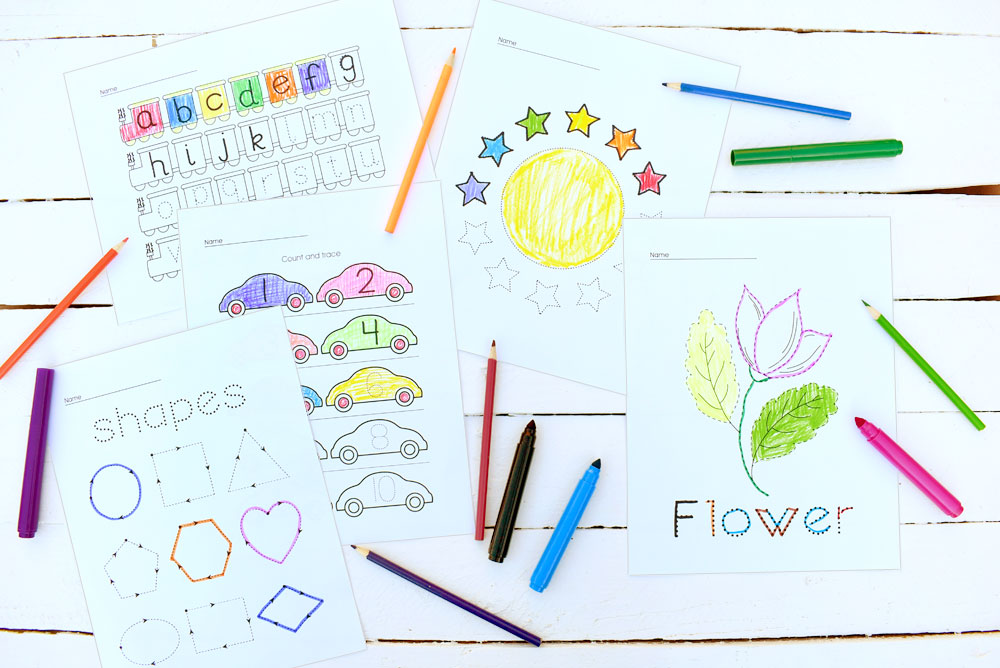
Preschool Tracing Worksheets & Coloring Pages
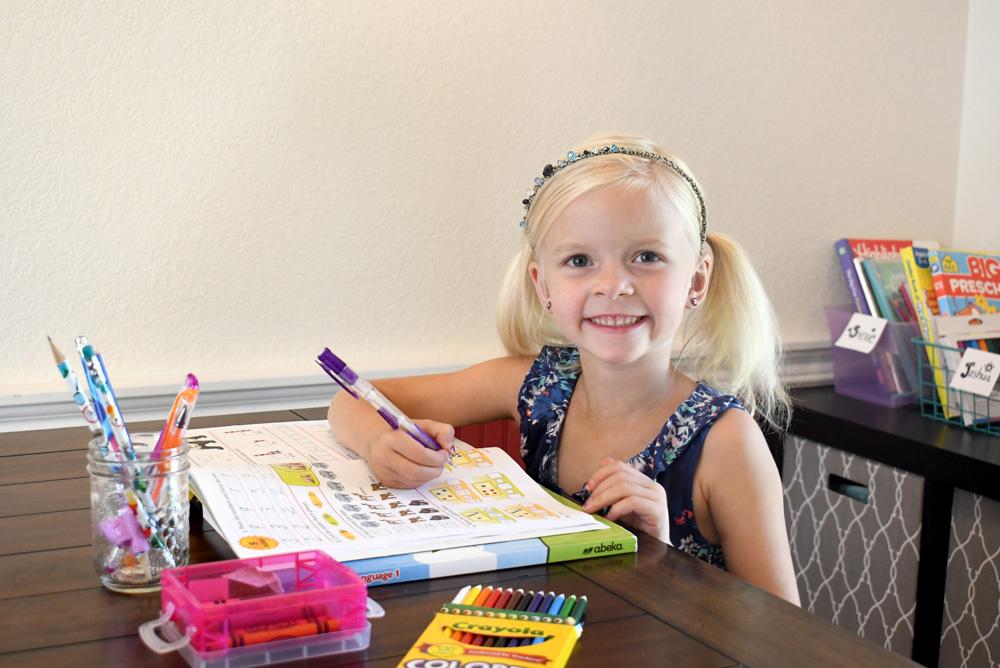
Teach preschool kids the basics of coloring and tracing with these interactive preschool tracing worksheets and coloring pages. Designed for kids ages 2 to 5, these printable worksheets help kids with tracing numbers, letters and shapes. Kids can also practice their coloring within the lines.
Worldschooling & Learning Through Travel
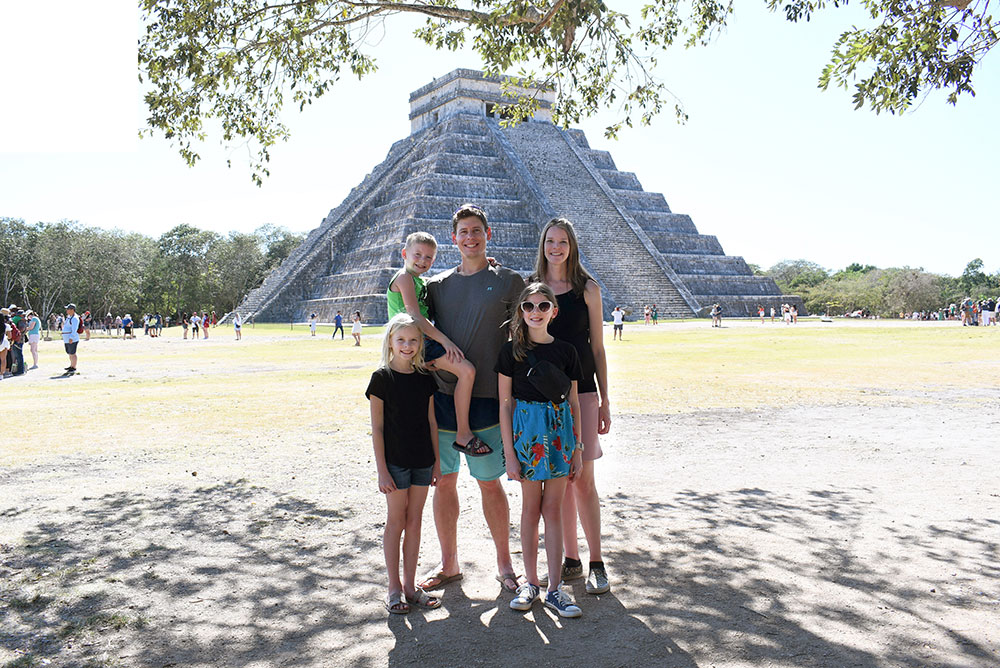
One of the biggest advantages of homeschooling is the flexibility to learn on the road. We call it worldschooling — using travel destinations as our classroom. Our kids have studied Mayan history at actual ruins, practiced French in Paris markets, and learned geography through exploring.
How We Homeschool While Traveling Internationally
During our 30-day stay in Mérida, Mexico, we reserved mornings for homeschooling and afternoons for exploring. Our kids visited Chichén Itzá, swam in cenotes, and learned about Mayan culture firsthand. This post covers how we balance schoolwork with sightseeing on extended family trips.
Visiting Stonehenge with Kids
Stonehenge was one of our best homeschool field trips. Standing in front of a 5,000-year-old stone circle brings history to life in a way no textbook can. This guide covers planning tips and what to expect when visiting Stonehenge with kids.
Exploring Paris with Kids
Paris is full of learning opportunities for kids, from the art at the Louvre to the engineering of the Eiffel Tower. Our family explored the city over several days, mixing iconic sightseeing with kid-friendly parks and crêpe stops.
Activities by Age
Not sure where to start? Here’s a quick guide based on your kids’ ages.
Toddlers (Ages 1–3): Homemade playdough, sugar sand sensory bins, water play, sidewalk chalk paint, simple shape sorting, and board books. Focus on sensory exploration and fine motor skills.
Preschool & Kindergarten (Ages 3–6): Playdough volcanoes, scissors skills workbooks, button art, flower crowns, sensory slime, and simple baking projects like helping mix ingredients. This is the sweet spot for hands-on learning activities.
Elementary (Ages 6–10): Slime with water beads, crystal growing, paper crafts, Valentine’s cards, costume making, more complex baking, and beginning homeschool workbooks. Kids at this age can follow multi-step instructions and love seeing a finished project they made themselves.
Tweens & Teens (Ages 10+): Science experiments with lab reports, creative DIY projects, teen Valentine’s ideas, independent baking, worldschooling research projects, and contributing to family blog or social media content. Our 13-year-old now writes some posts on our website herself.
Frequently Asked Questions
What are good activities for kids at home?
Some of the most popular at-home activities include making homemade slime, building playdough volcanoes, growing crystals, doing sensory bin play, paper crafts, and baking together. The best activities use simple materials you already have and let kids create something hands-on.
How do you keep homeschool kids engaged?
A consistent daily schedule, a mix of workbook time and creative projects, and regular breaks help kids stay focused. We also weave hands-on activities like science experiments and art projects into our school days so learning feels more like play.
What age can kids start doing science experiments?
Kids as young as 2–3 can participate in simple sensory science like mixing colors or playing with baking soda and vinegar. By ages 5–6, kids can follow basic experiment steps. By ages 8+, they can form hypotheses and write simple lab reports.

Can you homeschool while traveling?
Yes! Our family has homeschooled on extended trips through Mexico, England, France, and across the U.S. The key is reserving consistent morning hours for core subjects and using afternoons for exploring. Travel destinations become real-world classrooms for history, geography, science, and cultural studies.
What is worldschooling?
Worldschooling is a homeschool approach that uses travel as a core part of education. Instead of only learning from textbooks, kids learn by experiencing different cultures, visiting historical sites, and navigating real-world situations in new places. Our family combines traditional curriculum with worldschooling on our international trips.
 See our creative projects, kids activities, & party ideas »
 Homeschool Tips & Ideas »